
Walk into any room furnished with genuine care, and your eye knows immediately where to rest. It isn’t always the largest piece or the most elaborately decorated—it’s the one that carries a sense of weight and history. A dressing table with a carved mirror frame, its surface worn to a soft luster. A writing desk with brass hardware and dovetailed drawers. A wardrobe whose doors close with the quiet precision of something built by someone who expected it to last a lifetime. This is the particular power of classic furniture—not loudness, but permanence.
In an era of fast interiors and disposable design, choosing pieces built to endure feels quietly radical. Classic furniture and antique furniture ask us to slow down, to look more closely, and to consider what we actually want our homes to say.
What Makes Classic Furniture Worth Choosing
The word “classic” is used loosely in furniture retail—sometimes to mean simply traditional in appearance. But genuinely classic furniture is defined by more than its silhouette. It is defined by how it is made.
Solid hardwoods—sheesham, walnut, teak, and mahogany—are the foundation. These are timbers dense enough to hold mortise-and-tenon joints without loosening over decades and rich enough in figure and color to develop a patina that only makes them more appealing with age. The joinery in a well-made classic piece is structural poetry: each joint fitted by hand, each surface finished with the kind of care that a machine simply cannot replicate.
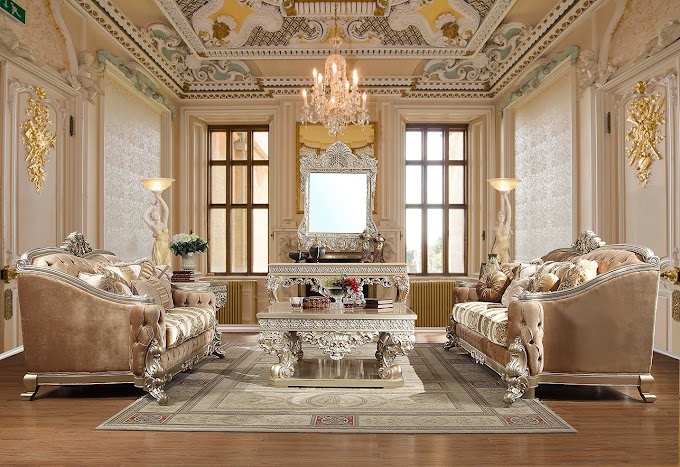
Design styles within classic furniture are varied but share a common vocabulary: symmetry, proportion, and ornamental restraint. Whether the influence is Georgian, French Provincial, or the more elaborate flourishes of Baroque and Rococo revival, the best classic pieces balance decoration with discipline. Nothing extraneous. Nothing thin. Every detail is purposeful.
Antique furniture carries something no new piece can manufacture—the proof of time. It has already been tested, and it endured.
The Particular Appeal Of Antique Furniture
Antique furniture occupies a category all its own. Where classic furniture evokes historical tradition, genuine antique furniture embodies it. A piece of antique furniture—typically defined as being over a hundred years old—arrives with a provenance that no contemporary manufacturer can replicate: real use, real history, real hands.
The appeal is partly aesthetic. The color of aged walnut, the slight irregularities of hand-planed surfaces, and the oxidized gleam of original brass fittings—these are qualities that contemporary reproductions approximate but rarely match. But the appeal is also philosophical. Choosing antique furniture is a choice to participate in continuity rather than consumption. It is furniture that has already proven its worth.

For those who want the character of antique furniture without the constraints of working around a single inherited piece, high-quality reproductions in the antique tradition—built using the same techniques and materials, simply newer—offer a practical middle path. Many of the finest furniture makers today work precisely in this space, crafting pieces that honor classical forms while meeting the practical demands of contemporary living.
Choosing Classic Furniture For Your Interior
The most common mistake when incorporating classic or antique furniture into a home is treating it as decoration rather than a foundation. A single carved armchair placed for effect will always look slightly lost. A room built around a cohesive set of classic furniture—a bed frame, a pair of bedside tables, a wardrobe, and a dressing table, all sharing the same design lineage—feels intentional in a way that makes every other element fall naturally into place.
Scale is critical. Classic furniture tends toward generous proportions, which means it needs space to breathe. In a smaller room, one well-chosen statement piece of antique furniture—a carved chest, a writing desk with a leather top—can anchor the space without overwhelming it. In larger rooms, a fuller set allows the design language to unfold as it was intended.
Finishing matters more than many buyers realize. A dark, hand-rubbed walnut finish deepens a room’s warmth and pairs naturally with stone, wool, and aged leather. A lighter ash or natural teak reads as quieter and more contemporary, bridging the gap between classic furniture aesthetics and minimal modern interiors without strain. Consider the light in the room at different times of day—classic finishes are responsive to it in ways that lacquered surfaces are not.
An Investment Worth Making
There is a certain kind of buyer who understands, instinctively, that the most economical furniture is not the cheapest furniture—it’s the furniture you never have to replace. Classic furniture and antique furniture represent this kind of value at its clearest. Bought well and cared for properly, a solid wood piece in the classical tradition will outlast its owner and remain worth passing on.
That is not a minor thing. In a world where almost everything is designed to be replaced, furniture that was built to last — and that still does — is a quiet act of defiance. And a beautiful one.



0 Comments